
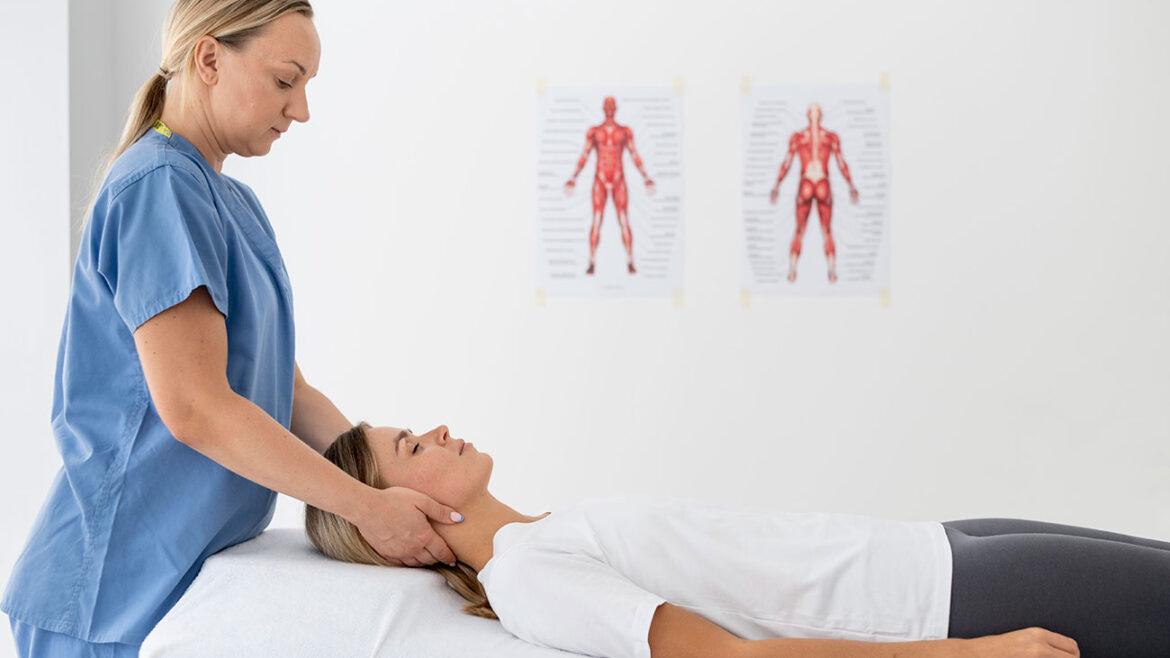
Booking a physiotherapy home service sounds simple until you actually try to figure out what you’re paying for. Does the therapist bring equipment? Is the first visit different from the rest? Will they treat everything, or are some conditions off the table for home care? Here’s a straight breakdown of what a physiotherapy home service in Dubai includes, and where its limits actually are.
What a Physiotherapy Home Service Session Includes
The Initial Assessment
Your first physiotherapy home service visit usually runs 60 to 90 minutes and covers more ground than a follow-up session. The therapist reviews your medical history, any imaging or referral notes from your doctor, and runs through range of motion testing, strength testing, and functional movement checks. For post-surgical or elderly patients, this also includes a practical assessment of your actual living space: how you manage stairs, get in and out of bed, or move around the bathroom.
Manual Therapy and Treatment
A well-run physiotherapy home service session includes the same hands-on techniques you’d get in a clinic: joint mobilisation, soft tissue work, and manual therapy targeted at your specific condition. Most licensed therapists also carry portable electrotherapy devices, resistance bands, and dry needling equipment where it’s clinically appropriate, so treatment doesn’t get watered down just because you’re not in a clinic room.
Home Environment Review
This is one part of a physiotherapy home service you won’t get at a clinic. The therapist looks at trip hazards, furniture height, and whether you’d benefit from grab rails, a shower chair, or a raised toilet seat. For stroke recovery, Parkinson’s care, or post-operative patients, this review often matters as much as the exercises themselves.
A Personalised Exercise Programme
Every physiotherapy home service session ends with 3 to 5 exercises built around your actual home, not a generic printout. Because the therapist has seen your space, the plan accounts for what you have available, whether that’s a hallway to practise walking in or a sturdy chair for sit-to-stand training.
Progress Tracking
Ongoing physiotherapy home service visits include re-assessment: measuring range of motion, strength, and pain levels against your first session, so the plan gets adjusted rather than repeated on autopilot.
What’s Not Included in a Physiotherapy Home Service
Specialised equipment-based treatment. Shockwave therapy, traction tables, and certain machine-based rehab protocols need clinic infrastructure. If your condition calls for these, your therapist will usually recommend a hybrid plan: some sessions at home, some at a clinic.
Hydrotherapy. Pool-based rehabilitation can’t be replicated in a living room, so patients who’d benefit from reduced weight-bearing exercise in water still need to visit a facility for that portion of treatment.
Emergency medical diagnosis. A physiotherapy home service is not a substitute for a doctor. Sudden severe weakness, major swelling, or new trauma needs medical assessment first, not a rehab session.
Multiple therapists per visit. Complex cases sometimes need input from an occupational therapist or speech therapist alongside a physio. Home visits are typically scheduled separately per discipline rather than as a combined team session.
Is a Physiotherapy Home Service Worth the Higher Price?
It depends on what you’re actually comparing. A short clinic slot and a longer home session aren’t the same product, so the fee difference isn’t purely a convenience tax. For a post-operative patient who’d otherwise need a relative to drive them through Dubai traffic and find parking, a physiotherapy home service often creates more value than the price gap suggests. For someone who lives five minutes from a clinic with no mobility issues, the clinic route is usually the more practical call.
FAQs
1. I need to provide any equipment for a physiotherapy home service?
No. Therapists bring portable assessment tools, manual therapy equipment, and resistance bands. Most exercises are adapted to whatever furniture or space you already have.
2. Is the first physiotherapy home service session different from follow-ups?
Yes. The first visit is longer and includes a full assessment, home environment review, and goal-setting. Follow-up sessions focus on treatment and exercise progression.
3. Can a physiotherapy home service treat post-stroke or Parkinson’s patients?
Yes, home-based care is commonly used for neurological conditions where frequent, structured sessions matter more than clinic equipment.
4. Will insurance cover a physiotherapy home service?
Often, though it depends on your plan. Confirm with your insurer whether home visits are reimbursed at the same rate as clinic sessions before booking.
Book a Physiotherapy Home Service With Magenta Homehealth
If you want an honest treatment plan without guessing what’s covered, Magenta Homehealth’s licensed physiotherapists bring the full assessment, treatment, and progress tracking straight to your door across Dubai. Get in touch to book your first session.